

Inch Beach Strolls: A Gentle Introduction
Three miles of golden sand, rolling waves, and the kind of peace that makes you forget what day it is


Why Inch Beach?
Inch Beach isn't flashy or crowded. It's just there — a genuine Irish beach where you can walk for miles without much fuss. The sand stretches for three kilometres along Dingle Peninsula, and you're rarely battling crowds even in summer. That's the appeal for most people who visit regularly.
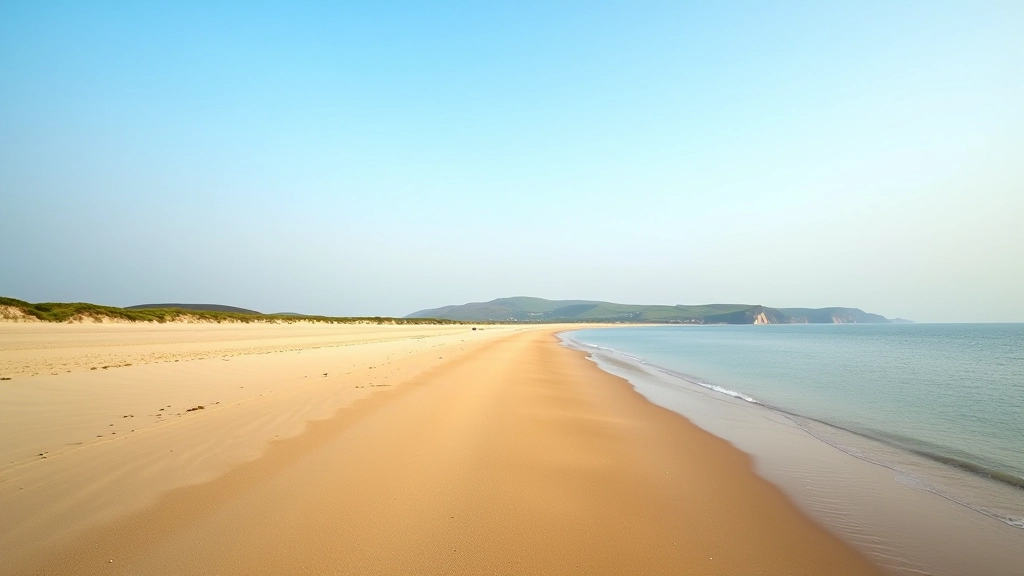
The walk suits anyone. You can stroll for 20 minutes or commit to the full three-mile loop. The terrain is smooth and firm, especially near the waterline where the sand gets compacted by the tide. No scrambling over rocks or dodging seaweed — just straightforward walking with Atlantic views.

Getting There
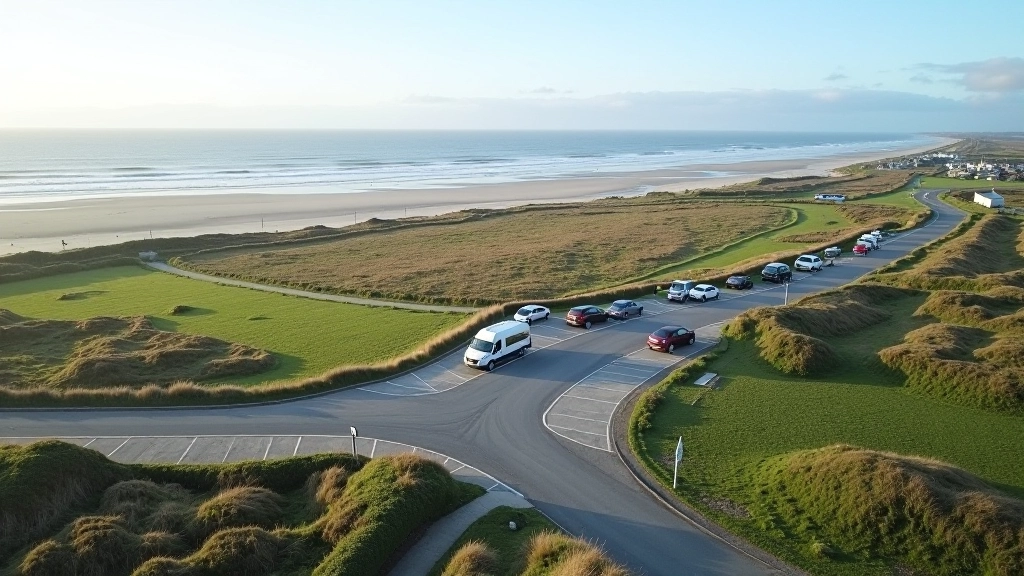
Inch Beach sits on the Dingle Peninsula, about 45 minutes' drive from Tralee. If you're coming from Dingle town, it's 15 minutes south. The main parking area is right at the beach entrance — no long walks from the car park to the sand. You'll find proper spaces with a small café and toilet facilities nearby.
Pro tip: Arrive before 10am or after 3pm if you want quieter conditions. The middle of the day can get busy during summer holidays, but it's still manageable compared to popular beaches elsewhere.
Important to Know
This guide is educational information about Inch Beach. Always check tide times before your visit — the beach can be quite narrow at high tide, which limits walking space. Weather changes quickly on the Atlantic coast, so bring layers even if it starts sunny. If you have mobility concerns or health conditions, consult your doctor before undertaking extended beach walks.
What You'll Actually Experience
The first thing that strikes people is the silence. There's wind, waves, maybe a few seabirds — but no traffic noise, no announcements, no background chatter. It's the kind of quiet that feels restorative after spending time in towns.
The sand itself is firm and easy on your joints. You're walking on naturally compacted surface, not soft sand that makes your legs work harder. Most people find they can walk further here than they'd expect. The terrain slopes gently toward the water, so if your knees prefer walking downhill slightly, you've got options.
Weather matters. On clear days, you'll see the Blasket Islands across the water. Overcast days bring dramatic cloud formations. Rainy afternoons? The beach feels like it's yours alone. Each condition creates a different experience, and that's part of why regulars come back throughout the year.


Best Times to Visit
Spring (March–May) and autumn (September–November) are genuinely the best times. The weather's milder than winter, you're not fighting summer crowds, and the light is beautiful. Morning walks in May have that clear Atlantic light that makes everything feel fresh.
Check tide times before you go — it's not complicated, just a quick online search. Low tide gives you the most space to walk. High tide pushes the water further up the beach, which doesn't ruin the walk but does narrow your options. Most people prefer the extra room of low tide.
What to Bring
- Waterproof jacket — wind and sea spray are real
- Comfortable walking shoes with grip (trainers or hiking boots)
- Layers — temperature drops significantly by the water
- Small backpack for essentials
Why Locals Keep Coming Back
People who live nearby visit regularly — not just in summer. They come because Inch Beach feels like a reset button. There's something about three kilometres of open sand and Atlantic views that clears your head. You're not performing for anyone. You're just walking.
The consistency helps too. The beach doesn't change dramatically season to season. Winter might be rougher, but the essential character stays the same. That reliability is valuable. You know what you're getting, and you know it'll feel good.
If you're looking for a gentle introduction to Dingle Peninsula coastal walks, Inch Beach is genuinely the place to start. It's accessible, straightforward, and memorable without being strenuous. Most people who try it once find themselves planning a return visit within weeks.
Start Planning Your Visit
Inch Beach isn't complicated. You'll find parking, easy access, and three miles of peaceful walking. Bring layers, check the tide, and give yourself permission to just walk at whatever pace feels right. That's really all there is to it.
The beach does the rest. The sound of waves, the Atlantic air, the space to think — these things have a way of working on you. You'll understand why locals keep coming back.