
Connecting With the Atlantic: Wellness Benefits for Retirees


Why the Atlantic Matters for Your Health
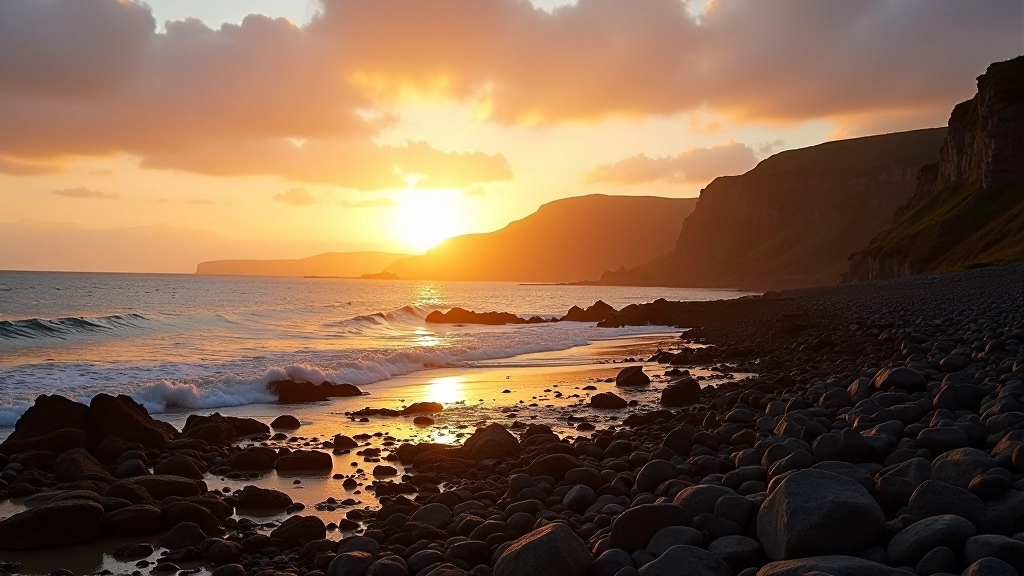
There's something about standing at the edge of the ocean that changes how you feel. The Atlantic isn't just beautiful — it's genuinely good for you. We've been working with retirees along Ireland's coastline for over a decade, and we've seen firsthand how regular coastal walks transform both body and mind.
The ocean offers what no gym or wellness center can replicate. It's the combination of movement, fresh air, natural light, and that constant rhythm of waves that creates real, measurable health benefits. You don't need special equipment or training. Just you, the beach, and the water.

The Real Physical Benefits
When you walk on sand, your body works differently than on solid ground. Every step requires more effort, which strengthens your legs, ankles, and core without feeling like exercise. The salt air affects your respiratory system. The exposure to natural light regulates your sleep cycle. These aren't vague promises — they're measurable changes.
Cardiovascular Improvement
Walking on sand increases resistance by 60% compared to paved surfaces. Your heart works harder, circulation improves, and blood pressure tends to normalize after consistent coastal walks. Most people notice changes within 4-6 weeks.
Respiratory Benefits
Ocean air contains salt particles and negative ions that expand your lungs and improve oxygen absorption. If you've ever noticed easier breathing on the coast, that's real. Your respiratory system becomes more efficient with regular exposure.
Better Sleep Quality
The combination of natural light exposure and physical activity regulates melatonin production. You'll fall asleep easier and wake more refreshed. Most walkers report sleeping an hour longer within the first month.
Mental Clarity
The rhythmic sound of waves activates your parasympathetic nervous system — the part that calms you down. Anxiety decreases, focus sharpens, and that constant mental chatter quiets down. It's not relaxation; it's genuine neurological change.
How to Get the Most From Your Coastal Walks
You can't just show up at the beach and expect maximum benefit. The way you walk, what time you go, and how you approach it all matter. We've worked with hundreds of retirees, and the ones who see the biggest improvements follow a few key principles.
1
Walk Early or Late
Morning walks (6-9 AM) or evening walks (4-7 PM) give you the best light exposure and the calmest beach conditions. Midday sun is harsh and crowds are larger. You'll also avoid the strongest winds that make walking harder than necessary.
2
Start in Firm Sand
The wet sand near the waterline is packed down. It's easier on your joints while still providing resistance. As you build strength over weeks, move into softer sand. This progression prevents injury and makes the practice sustainable.
3
Consistency Over Duration
Three 20-minute walks per week beats one 90-minute walk. Your body adapts better to regular activity. You'll also be more likely to stick with it because shorter walks feel manageable, even on days when energy is low.
4
Pay Attention to Breathing
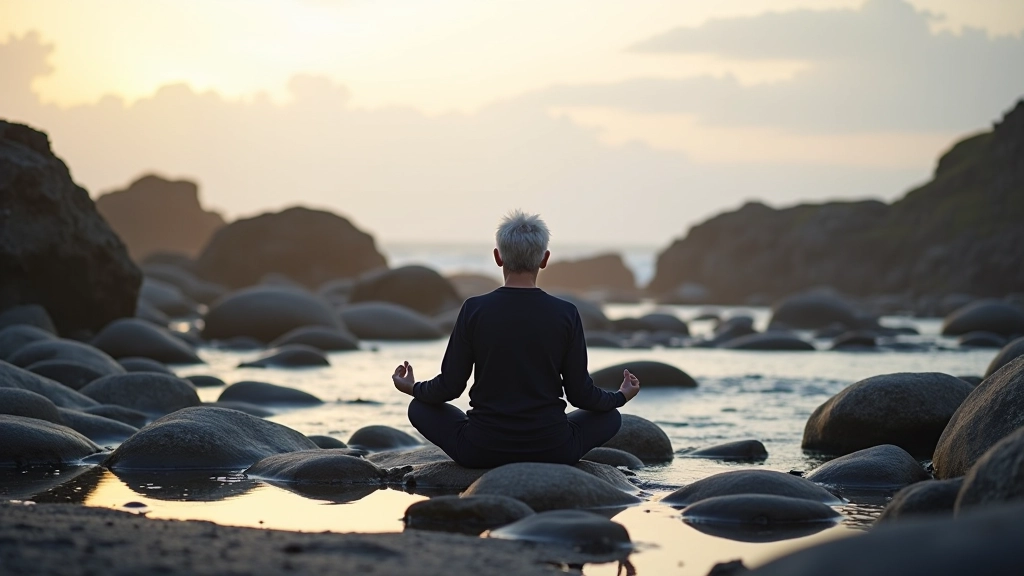
Breathe in through your nose, out through your mouth. Feel the salt air filling your lungs. This isn't meditation, but it activates the same calm response. You're not rushing; you're experiencing the walk.

Important Notice
This article provides educational information about coastal walking and wellness. It's not medical advice. If you have existing health conditions, joint problems, or haven't exercised regularly, speak with your healthcare provider before starting any new activity. Individual results vary based on fitness level, consistency, and personal health circumstances. Always prioritize your safety and listen to your body.
What Actually Changes
We're not going to tell you that beach walks cure everything. But we've documented real changes in people who commit to the practice. After working with retirees for 14 years, we've seen patterns that matter.
Week 2-3
Sleep improves noticeably. You fall asleep faster and wake feeling more rested. Knee and ankle joints feel slightly stronger. Energy levels start increasing by afternoon.
Week 4-6
Walking feels easier. Your body has adapted to the sand resistance. You notice you're not out of breath as quickly. Mental clarity becomes obvious — that constant background anxiety quiets down.
Week 8+
The beach walk becomes part of your routine, not an obligation. You're noticeably stronger. Blood pressure readings often improve. You've built a sustainable habit that doesn't require motivation.

Start Where You Are
You don't need to be fit to begin. You don't need special gear. You don't need to commit to a strict schedule. What you need is access to the coast — which you have if you're in Ireland — and willingness to show up twice a week.
The Atlantic has been here for millions of years. It's not going anywhere. Neither should you. Pick a beach close to where you live. Set a day and time. Walk. Feel what happens.
Discover More Beach Walks